


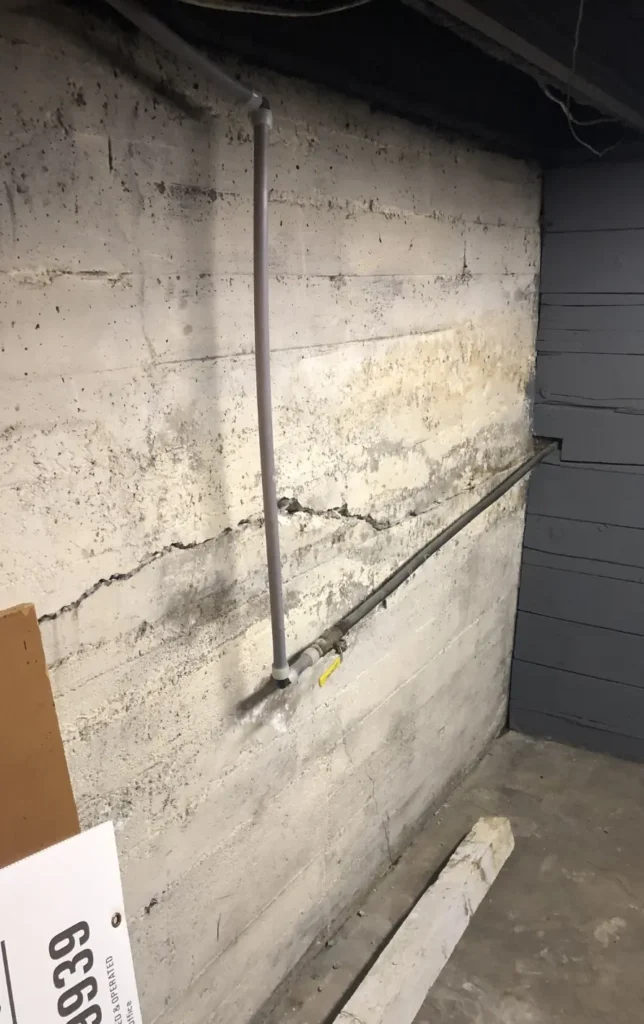
If you’ve found a stair-step crack in your basement wall or noticed a floor that slopes toward one corner, one of the first questions that comes to mind is whether your homeowners policy will pay for the fix. It’s a fair question, and the honest answer is that it depends almost entirely on what caused the damage — not on how bad the damage looks or how much it costs to repair.
Here’s what Washington homeowners should understand before they call their insurer.
The Cause of Damage Determines Coverage
Standard homeowners policies are built to cover sudden, accidental events. They are not maintenance contracts, and they are not designed to cover wear, age, or gradual deterioration.
That single distinction drives most foundation claim decisions. Two homes can have identical cracks in identical walls, and one claim gets paid while the other is denied — because one crack came from a burst supply line under the slab and the other came from twenty years of soil movement.
Before you file anything, it’s worth understanding which category your situation is likely to fall into.
Damage That Is More Often Covered
Most standard policies list specific covered perils. Foundation damage may be considered when it results from something like:
- Sudden plumbing failures. A burst pipe or a ruptured supply line that saturates the soil beneath a footing is an abrupt event, and many policies treat the resulting structural damage as covered.
- Vehicle impact. A car striking a foundation wall or a garage footing is a clear accidental cause.
- Fire or explosion. Structural damage from these events is generally covered.
- Falling objects. A large tree falling onto a structure and damaging a foundation element may qualify.
Even in these situations, coverage isn’t automatic. Insurers commonly pay for the resulting damage while excluding the cost of the failed component itself — a policy might cover repairing the foundation and the soil work, for example, but not the replacement of the pipe that failed.
Damage That Is Usually Excluded
The exclusions matter more here than the inclusions, because they cover the majority of what we actually see in Western Washington homes.
Earth movement. Nearly every standard policy excludes earth movement — settling, subsidence, soil expansion and contraction, shifting, and landslide. This is the single most common reason foundation claims are denied, and it’s the category most sinking and settling problems fall into.
Gradual settlement. Homes move. Soil consolidates under the weight of a structure over years. Because this is gradual rather than sudden, it’s typically treated as a maintenance issue rather than a covered loss.
Poor maintenance and long-term water exposure. If an adjuster concludes that a downspout has been discharging against the foundation for years, or that grading has directed water toward the house since the home was built, that’s generally read as deferred maintenance.
Earthquake. This is a Washington-specific point worth flagging. Standard homeowners policies exclude earthquake damage. Earthquake coverage is sold separately, either as an endorsement or as a standalone policy, and many Puget Sound–area homeowners don’t carry it. If you’re in a seismic zone and you don’t know whether you have it, check your declarations page.
Flood. Surface water and flooding are excluded from standard policies as well, and are covered only through separate flood insurance.
Settlement Versus Sudden Damage
If you take one thing from this article, take this: adjusters are trying to determine whether the damage happened over time or at once.
Gradual settlement produces telltale evidence — cracks that have been painted over, doors that have been planed to close, crack widths that have visibly grown. Sudden damage tends to present differently: fresh separations, damage concentrated near an identifiable event, and no history of the same symptom.
This is also why timing matters. If you noticed a crack two years ago and only report it now, an insurer may argue the damage was known and left unaddressed. Reporting promptly protects your position.
Water, Drainage, and the Gray Area
Western Washington creates a specific version of this problem. Our rainfall totals, hillside lots, glacial soils, and high water tables mean that most foundation issues we’re called out to involve water in some form.
Water damage claims tend to split along the same sudden-versus-gradual line. A pipe that bursts is an event. Hydrostatic pressure that has been pushing against a basement wall each rainy season is a condition. Seepage through a wall, a chronically wet crawl space, and gradual saturation of the soil around a footing are usually treated as excluded conditions rather than covered losses.
That doesn’t make the problem less real or less urgent. It means the fix is usually a basement waterproofing or drainage project rather than an insurance claim — and addressing it early is what keeps a moisture problem from becoming a structural one.
What a Foundation Contractor Can and Cannot Tell You
We want to be direct about this, because it prevents a lot of frustration.
We can: inspect your home, identify what’s happening structurally, document conditions with measurements and photographs, describe the likely mechanism behind the damage, and provide a written scope of work and estimate you can submit to your insurer.
We cannot: tell you whether your claim will be approved, interpret your policy language, negotiate with your adjuster on your behalf, or promise any coverage outcome. Only your insurance company can determine what your policy covers. Any contractor who guarantees you a claim will be paid is telling you something they have no ability to know.
What our documentation does is give you and your adjuster a clear, evidence-based description of the condition — which is what a coverage decision should be based on.
Documentation to Gather
Whether or not you end up filing, build the file:
- Your full policy, including the declarations page and any endorsements. Look specifically for earth movement, water damage, and earthquake language.
- Dated photographs of every affected area — cracks with a coin or tape measure for scale, sloping floors, sticking doors, water staining.
- A written timeline. When did you first notice it? Has it changed? What was happening at the time — a storm, a plumbing repair, nearby excavation?
- Maintenance and repair records, especially gutter cleaning, drainage work, or prior plumbing service. These support the argument that the home was maintained.
- Prior inspection reports, including the report from when you purchased the home.
- A professional inspection report and written estimate from a licensed foundation contractor.
Keep a log of every conversation with your insurer — date, name, and what was said.
What Happens During an Inspection
A free R&R inspection is a diagnostic visit, not a sales call. A specialist will walk the exterior and interior, evaluate grading, drainage, and downspout discharge, enter the crawl space or basement, take elevation measurements to quantify differential movement, and document crack patterns and their locations.
You’ll receive a clear explanation of the mechanism causing the damage, the foundation repair options available, and a written estimate. If the honest answer is that the movement is minor and the right call is to monitor it for a year, that’s what we’ll tell you. We serve homeowners throughout our Western Washington service area, from Seattle and Everett to Tacoma and Olympia.
If Insurance Won’t Cover It
Most foundation repairs in Washington are not insurance claims. That’s the reality, and it doesn’t leave you without options.
- Ask your insurer for the denial in writing, citing the specific policy provision. You have the right to that explanation.
- Request a re-inspection if you believe the cause was misidentified — particularly if a contractor’s findings differ from the adjuster’s.
- Contact the Washington State Office of the Insurance Commissioner at 800-562-6900 or insurance.wa.gov. Their consumer advocacy team can explain your rights and review a complaint at no cost.
- Phase the work. Not every scope has to be done at once. Stabilization first, cosmetic and drainage work later, is a common and sensible sequence.
- Look at financing options. We offer financing plans that spread the cost of repair over time.
Waiting rarely saves money on a foundation. Movement and water intrusion both compound, and the same repair almost always costs more a year later.
Schedule a Free Foundation Inspection
If you’re weighing an insurance claim, the first thing you need is an accurate picture of what’s actually happening to your home. Contact R&R Foundation Specialist to schedule a free, no-obligation inspection anywhere in Western Washington.
Frequently Asked Questions
Does homeowners insurance cover foundation cracks? It depends on what caused them. Cracks caused by a sudden covered event, such as a burst pipe or a vehicle impact, may be covered. Cracks caused by gradual settlement, soil movement, or long-term moisture exposure are typically excluded under a standard policy’s earth movement provision. Your insurer makes the final determination based on your specific policy.
Why do insurance companies deny foundation repair claims? The most common reason is the earth movement exclusion, which appears in nearly every standard homeowners policy and covers settling, soil expansion, subsidence, and shifting. Claims are also denied when an adjuster concludes the damage developed gradually or resulted from deferred maintenance, such as poor drainage or clogged gutters.
Does homeowners insurance cover foundation damage from water? Sometimes. Damage from a sudden, accidental plumbing failure may be covered. Damage from groundwater seepage, hydrostatic pressure, surface flooding, or a chronically wet crawl space is generally excluded and is usually addressed through waterproofing and drainage work rather than a claim.
Does homeowners insurance cover earthquake damage to a foundation in Washington? Standard homeowners policies exclude earthquake damage. Earthquake coverage in Washington is purchased separately, as either an endorsement or a standalone policy. Check your declarations page to confirm whether you carry it before assuming you’re covered.
Should I file a claim before or after a foundation inspection? Getting a professional inspection first is usually the better sequence. An inspection identifies the actual mechanism behind the damage and produces the documentation and written estimate your insurer will ask for, which lets you file an informed claim rather than a speculative one.
Can R&R Foundation Specialist tell me whether my claim will be approved? No. We can inspect your home, document conditions, explain what caused the damage, and provide a written estimate for your claim file. Only your insurance company can determine coverage under your policy. We do not interpret policy language or negotiate with adjusters.