


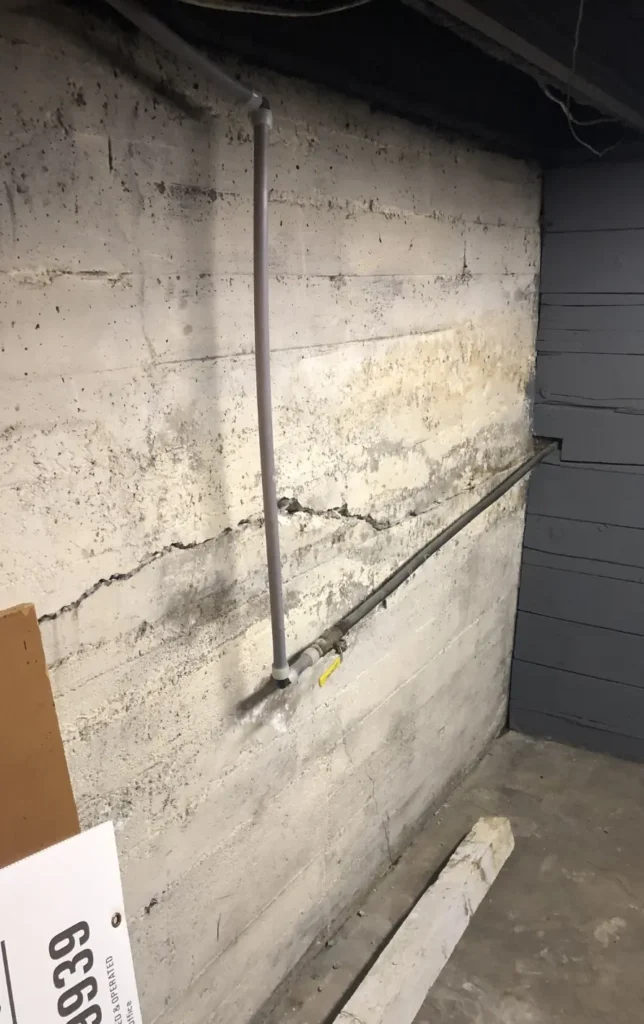
The fact that there is a crack in the floor of your basement doesn’t necessarily indicate that your house has a serious foundation issue. It is possible for concrete to crack as it cures, and small, stable cracks are fairly common. Nevertheless, some cracks in the basement floor can be linked to foundation settlement, soil movement, drainage problems, or water pressure under the slab.
For homeowners in Washington the various possibilities are particularly worth noting since frequent rainfall, saturated soil, varying groundwater conditions, and bad drainage can all have an effect on the soil both around and under a house.
The key questions aren’t just about whether there is a crack, but rather whether the crack is developing, permitting water to get in, or showing up together with other indications of structural movement.
If you don’t know what is causing the crack in the basement floor, you should arrange for a free basement inspection so that the area can be examined.
Is it normal for a basement floor to have cracks?
Some cracking in concrete basement floors can occur without indicating a significant structural problem.
Concrete naturally loses moisture as it cures. As the material shrinks, small cracks may develop across the slab. These are often called shrinkage cracks.
A minor crack may be less concerning when it:
- Remains narrow and relatively unchanged
- Does not show noticeable vertical displacement
- Does not allow water into the basement
- Is not accompanied by cracks in foundation walls
- Does not appear alongside uneven floors, sticking doors, or other signs of even minor cracks are worth monitoring. Taking a photograph and checking the area periodically helps identify whether the crack is changing.
Common Types of Basement Floor Cracks
The appearance of a crack can provide clues, but it usually cannot confirm the cause by itself.
Concrete Shrinkage Cracks
Shrinkage cracks typically develop as concrete cures and dries. They may be narrow, relatively straight, or irregular in shape.
These cracks are often cosmetic rather than structural, particularly when they remain stable. Even a nonstructural crack can become a pathway for moisture if water pressure develops beneath the basement slab.
Settlement-Related Cracks
Different areas beneath a home can settle at different rates. When the soil supporting the foundation or slab shifts, compresses, or loses support, cracking may develop.
Possible signs that a basement floor crack is related to settlement include:
- One side of the crack sitting higher than the other
- Cracks that widen over time
- Sloping or uneven floors
- Cracks in nearby foundation walls
- Doors or windows becoming difficult to open
- Gaps developing around walls, trim, or openings
When several of these symptoms occur together, a professional Foundation Repair evaluation can help determine whether structural movement is involved.
Cracks That Allow Water Into the Basement
A basement floor crack may become more noticeable when water begins entering through it.
Water beneath a basement slab can create pressure as surrounding soil becomes saturated. This pressure can force moisture through cracks, joints, and other openings in the concrete.
In Washington, periods of prolonged or heavy rainfall can make these problems more apparent.
If your basement floor cracks or leaks during or after rain, the issue may require more than simply sealing the visible opening. A Basement Waterproofing inspection can help identify where the water is coming from and how it should be managed.
Why Washington Homes Can Develop Basement Floor Cracks
Several local conditions can contribute to cracking and basement moisture problems.
Heavy Rainfall and Saturated Soil
Repeated rainfall can increase moisture levels in the soil surrounding a home. When the ground becomes saturated, conditions beneath and around the foundation can change.
That does not mean rain automatically causes structural damage, but drainage and soil conditions can influence both foundation movement and water intrusion.
Hydrostatic Pressure
When groundwater or saturated soil creates pressure around and beneath the foundation, water naturally looks for places to escape.
Existing floor cracks, the joint where the wall meets the floor, and other openings may become entry points.
Homes with recurring water intrusion may require an Interior Drainage System or another waterproofing solution designed around the source of the moisture.
Poor Drainage Around the Home
Gutters, downspouts, grading, and exterior drainage all influence how much water collects near the foundation.
Common problems include:
- Downspouts releasing water beside the home
- Clogged or overflowing gutters
- Soil sloping toward the foundation
- Low areas where water collects
- Runoff moving toward the home from a hillside or neighboring property
Correcting drainage problems may be an important part of preventing continued moisture issues.
Foundation Settlement
Soil beneath a home can compress or shift over time. If support becomes uneven, different parts of the foundation may move at different rates.
Homeowners noticing multiple signs of movement should review possible Sinking and Settling concerns rather than focusing only on the visible floor crack.
When Should You Worry About a Basement Floor Crack?
A professional inspection is worth considering when a basement floor crack:
- Continues to widen or change
- Has noticeable vertical displacement
- Allows water into the basement
- Appears after other signs of foundation movement
- Develops alongside foundation-wall cracks
- Is accompanied by uneven or sloping floors
- Reappears after a previous repair
- Is one of several new cracks appearing in a relatively short period
Rapid or significant changes to the structure should receive prompt professional attention.
The goal of an inspection is not to assume that every crack requires major repair. It is to determine why the crack formed and whether anything needs to be done about the underlying condition.
Why Sealing a Basement Floor Crack May Not Solve the Problem
It can be tempting to fill a crack and consider the problem fixed.
In some situations, sealing may be an appropriate part of the repair. However, filling the visible opening does not necessarily correct the reason the crack developed.
For example:
- A drainage problem can continue saturating the soil.
- Groundwater pressure can continue pushing moisture toward the basement.
- Foundation settlement can continue producing movement.
- Water may simply find another opening if the underlying pressure remains.
This is why determining the source of the problem is important before choosing a repair.
If moisture is the primary concern, the solution may involve Basement Waterproofing or drainage improvements. If structural movement is involved, the home may require a Foundation Repair evaluation.
What Happens During a Basement Inspection?
A professional inspection can help distinguish an isolated concrete crack from a symptom of a larger issue.
The evaluation may include reviewing:
- The location, direction, and condition of the crack
- Whether the slab shows vertical movement
- Nearby foundation walls
- Signs of water intrusion
- Exterior grading and drainage
- Gutters and downspouts
- Other symptoms of settlement
- Existing waterproofing or drainage systems
Once the conditions are understood, the contractor can explain whether monitoring, crack repair, drainage improvements, waterproofing, or structural repair should be considered.
Frequently Asked Questions About Basement Floor Cracks
Are basement floor cracks always a foundation problem?
No. Some cracks develop as concrete shrinks during curing and may remain cosmetic. Cracks that change, leak, show displacement, or appear with other signs of settlement deserve closer evaluation.
Why is water coming through cracks in my basement floor?
Water may enter through floor cracks when soil beneath or around the basement becomes saturated. Groundwater pressure, drainage problems, and heavy rainfall can all contribute to water finding its way through openings in the slab.
Can I seal a basement floor crack myself?
Some minor cracks can be sealed, but sealing the surface does not necessarily address water pressure, drainage problems, or structural movement. Recurring or changing cracks should be evaluated before relying on a surface repair.
Do basement floor cracks get worse over time?
Some remain relatively unchanged, while others can widen or shift if the underlying cause remains active. Monitoring a crack for changes can help determine whether additional evaluation is needed.
Does a basement floor crack mean my foundation is settling?
Not necessarily. Settlement is one possible cause, but concrete shrinkage, moisture conditions, and other factors can also produce cracks. Other symptoms such as uneven floors, wall cracks, or sticking doors can provide additional clues.
At what point should I get a professional to look at the cracks in my basement floor?
Arrange for an inspection whenever cracks are worsening, leaking, showing signs of displacement, or appear together with other structural or moisture problems.
Get Answers About Your Basement Floor Cracks
Not all cracks in the basement floor are of the same nature; some are fairly minor, whereas others may indicate problems with water ingress, drainage, or movement under the house.
The rainfall and soil conditions in Washington make it necessary to examine beyond the visible crack when moisture or other symptoms are present.
A specialist from the R&R Foundation will be able to have your basement examined, explain the possible reasons for the problem, and suggest the suitable next steps in light of the condition of your home.
Schedule a Free Basement Inspection to get a clearer understanding of your basement floor cracks and what, if anything, needs to be repaired.