


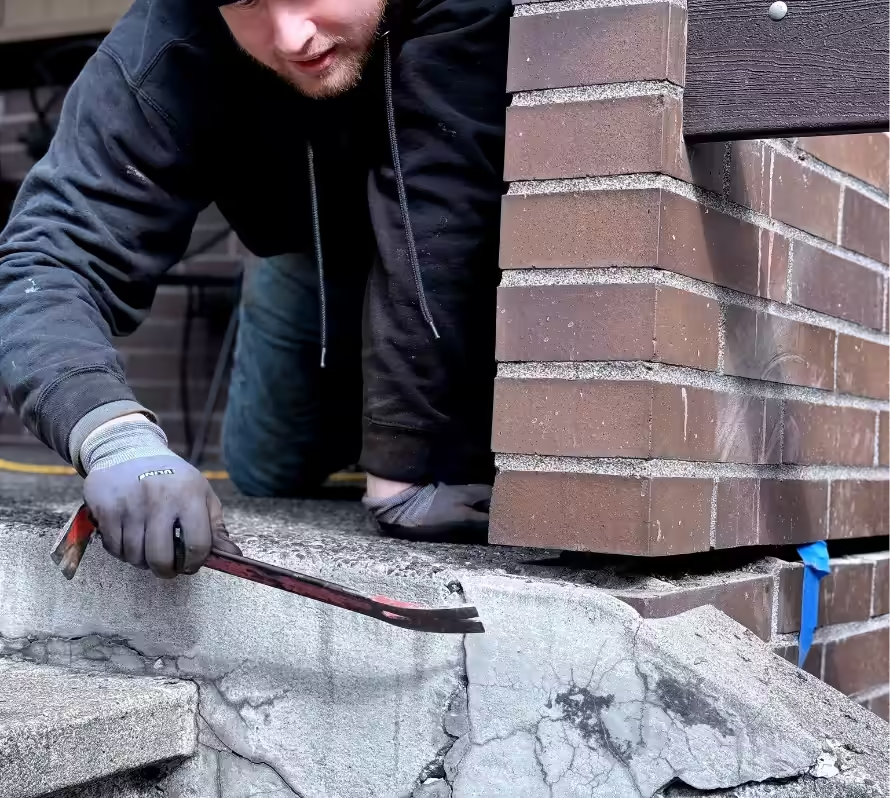
A small crack in the basement wall. A door that suddenly won’t latch. Floors that feel a little more sloped than they used to. In Everett, those kinds of changes are common, especially in older neighborhoods and homes that see a lot of seasonal moisture. The trick is knowing what’s normal settling, what’s a warning sign, and when it’s time for professional foundation repair.
At R&R Foundation Specialist, we help homeowners across Everett and Snohomish County understand what their home is telling them and recommend repairs that protect long-term safety and value, without pressure and without guesswork.
Why Foundation Problems Happen in Everett & Snohomish County
Everett-area foundation issues are often driven by moisture and drainage. With frequent rain and long wet seasons, soils can stay saturated and push against basement walls or shift under footings, especially if gutters, downspouts, or grading are sending water toward the house instead of away from it.
Older homes and sloped lots can make those effects more noticeable. Many Snohomish County neighborhoods have homes built before modern waterproofing and drainage practices were common, and hillsides can create uneven pressure on different sides of the foundation. That’s why local conditions matter when you’re deciding whether a crack is something to monitor or a sign of a bigger stability issue.
The Most Common Signs Your Home May Need Foundation Repair
Foundation problems don’t always show up as one dramatic issue. More often, you’ll notice a few smaller symptoms that start to stack up. If you recognize more than one of the signs below, it’s a good idea to schedule an inspection and get clarity before the issue grows.
- Stair-step cracks in brick or block: These cracks follow the mortar joints in a step pattern. They often point to uneven movement, where one part of the foundation is settling differently than another.
- Horizontal cracks in basement walls: Horizontal cracking is worth taking seriously because it can indicate pressure pushing inward on the wall. In wet conditions, saturated soil can increase that pressure.
- Vertical cracks in foundation walls: Vertical cracks are common, and not every one is structural. The concern is when a crack is widening, letting water in, or paired with other symptoms like sticking doors or floor slope.
- Doors and windows that stick or won’t latch: When the structure shifts slightly, openings can move out of square. If you’re fighting multiple doors or windows in different areas of the home, that pattern matters.
- Uneven or sloping floors: Floors that feel sloped, bouncy, or soft can point to movement below. In some homes this ties back to the foundation; in others, crawl space supports and framing play a role. Either way, it’s a sign worth evaluating.
- Gaps around windows, doors, or trim: Small separations where trim meets drywall, or where a frame no longer sits tight, can be a subtle indicator of settling. Watch for changes that get worse over time.
- Bowing or leaning basement walls: If a basement wall looks like it’s curving inward, that’s not just cosmetic. Bowing suggests the wall is under stress, often from soil pressure.
- Water intrusion or damp basement walls after rain: Moisture that increases after storms can be an early sign that cracks, seepage pathways, or poor drainage are allowing water to reach the foundation. It can also contribute to higher pressure on basement walls.
A helpful rule of thumb: one symptom might be a maintenance issue. Several symptoms, especially across different parts of the house, are usually worth a professional look.
Why Early Foundation Repair Matters (Cost, Safety, Resale)
Catching foundation issues early gives you more options. A small crack or minor movement is often easier to stabilize before it spreads into bigger structural symptoms, or starts showing up as uneven floors, sticking doors, or repeated moisture problems. Early evaluation is not about panic, it’s about getting clear information while the fix can still be targeted.
It can also protect your budget and your home’s long-term value. When movement continues season after season, repairs can become more involved. A professional inspection helps you understand what’s actually happening, what needs attention now, and what can be planned. And if you ever sell, foundation questions tend to come up during inspections, so having documentation and a clear plan can reduce surprises and delays.
How Foundation Repair Works (What To Expect)
Foundation repair should feel straightforward, not confusing. The goal is to identify the cause, stabilize the structure, and help prevent the same issue from continuing.
Inspection
A foundation inspection looks at cracking patterns, wall movement, floor slope, and other structural clues. It also considers site conditions like drainage and moisture, which are often part of the story in the Everett area.
Repair Plan
After the inspection, you should get a plan that matches the home and the problem. A solid repair plan explains what method is recommended, why it fits the situation, and what results you can reasonably expect.
Stabilization Methods
Stabilization can involve different systems depending on what’s happening, such as reinforcing walls, supporting settling areas, or improving structural support below the home. The right method is the one that addresses the cause of movement, not just the visible crack.
Timeline
Many residential foundation repairs can be completed in days rather than weeks, but timelines vary based on scope and access. After the inspection, you should have a clear schedule and know what the work will look like day to day.
FAQs About Foundation Repair in Everett, WA
Do I need a structural engineer for foundation repair in Everett?
Not always. Many issues can be assessed by a foundation repair specialist, but some situations may require engineering depending on severity and the type of repair.
Can foundation repair be done during Everett’s rainy season?
Often, yes. The approach and scheduling may depend on site conditions and access, but an inspection can determine the best path forward.
Will foundation repair stop cracks from coming back?
Stabilizing the foundation can prevent cracks from worsening if movement is the cause. Cosmetic crack repairs may still be recommended afterward if you want finished surfaces restored.
What if I have both cracks and water in the basement?
That’s common. In many homes, moisture in the basement and structural movement are connected, so an inspection should look at both the foundation and the water conditions driving pressure or seepage.
How do I know if I need foundation repair or just basement waterproofing?
The difference comes down to whether there’s structural movement, water intrusion, or both. A professional evaluation can separate cosmetic issues from structural concerns and recommend the right solution.
What To Do Next if You Notice Foundation Warning Signs in Everett
If you’re noticing foundation warning signs, start by documenting them. Take photos, note when you first saw the issue, and pay attention to whether it changes after heavy rain or over the next few weeks. If multiple symptoms are showing up, or anything appears to be getting worse, it’s time to schedule a professional inspection.
If you want clear answers and a plan you can trust, reach out to R&R Foundation Specialist and schedule an inspection.