


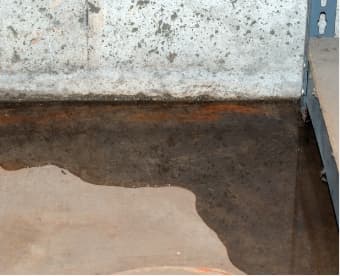
A wet basement is more than an inconvenience. Persistent moisture can damage flooring and finishes, create musty odors, contribute to mold-friendly conditions, and place added stress on foundation walls.
Washington homes may be especially vulnerable because of frequent rainfall, saturated soil, hillside runoff, aging drainage systems, and older foundation construction. Water may enter through a visible crack, but the source is not always obvious. A basement leak can also result from grading problems, clogged gutters, groundwater pressure, or a failed drainage system.
Understanding why your basement is wet is the first step toward selecting an effective solution. Rather than treating only the visible water, a professional inspection can identify how moisture is reaching the home and what should be done to manage it.
Learn more about our Basement Waterproofing services or schedule a free inspection to evaluate your basement moisture problem.
Why Does My Basement Get Wet When It Rains?
Rain increases the amount of water in the soil around your home. When gutters, downspouts, grading, and drainage systems cannot move that water away effectively, moisture may collect near the foundation.
Water may then enter through:
Foundation cracks
Wall and floor joints
Porous concrete or masonry
Basement windows
Utility penetrations
Plumbing openings
Floor drains
Gaps around exterior steps or additions
A basement that leaks only during heavy rain still has an underlying moisture pathway that should be identified.
Common Causes of Wet Basements
Several conditions can contribute to water intrusion, and some homes have more than one problem.
Poor Grading Around the Foundation
The ground surrounding a home should direct surface water away from the foundation. When soil slopes toward the house or settles into low spots, rainwater can collect beside foundation walls.
Signs of grading problems include:
Puddles close to the house
Soil erosion
Water flowing toward basement windows
Dampness concentrated on one side of the basement
Repeated leaks after heavy rain
Grading improvements can be helpful, but they may not be enough when groundwater or structural cracks are also involved.
Clogged or Damaged Gutters
Gutters help collect roof runoff and move it toward downspouts. When gutters are clogged, damaged, or undersized, water may spill directly beside the foundation.
Homeowners should inspect gutters for:
Leaves and debris
Sagging sections
Leaking joints
Improper slope
Loose connections
Water overflowing during rain
Short or Disconnected Downspouts
A downspout that releases water beside the house can concentrate a large amount of roof runoff near the foundation.
Downspouts should discharge water away from the home without sending it toward neighboring structures, walkways, or low areas.
Foundation Cracks
Cracks can provide a direct pathway into the basement. Even small openings may leak when surrounding soil becomes saturated.
Foundation cracks can result from shrinkage, settlement, hydrostatic pressure, or structural movement. Cracks that widen, leak repeatedly, or appear alongside bowing walls may require professional Foundation Repair in addition to waterproofing.
Hydrostatic Pressure
Water accumulating in the surrounding soil creates pressure against the basement walls and beneath the floor slab. This is known as hydrostatic pressure.
The pressure can push moisture through:
Cracks
Masonry joints
The wall-floor seam
Porous concrete
Floor openings
Water entering where the wall meets the floor is often associated with subsurface moisture rather than a simple above-ground leak.
High Groundwater
Some properties naturally have higher groundwater levels, particularly during prolonged rainy periods. When groundwater rises beneath or around the foundation, it may overwhelm existing drainage.
Failed Exterior Waterproofing
Exterior waterproofing materials can deteriorate over time. Older homes may have limited waterproofing protection or drainage systems that no longer work as intended.
Excavating the exterior is not always required, but the condition of the existing system should be considered when diagnosing recurring leaks.
Basement Window Problems
Basement windows and window wells can allow water into the home when they are damaged, improperly sealed, clogged, or located below surrounding grade.
Common problems include:
Cracked window wells
Missing well covers
Poor drainage
Gaps around the frame
Water pooling inside the well
Plumbing and Interior Leaks
Not all basement water comes from outside. Plumbing leaks, water heaters, appliances, condensation, or HVAC systems may also produce moisture.
A leak that occurs during dry weather may have an interior source.
Signs of a Basement Moisture Problem
Some basement water problems are obvious, while others develop gradually.
Watch for:
Standing water
Damp walls or floors
Musty odors
Visible mold-like growth
Peeling paint
Bubbling wall coatings
White mineral deposits
Rust on appliances or metal supports
Warped flooring
Damaged cardboard boxes
Increased indoor humidity
Condensation on pipes or windows
White or chalky deposits on masonry are often called efflorescence. These deposits form when moisture travels through masonry and leaves minerals behind as it evaporates.
Can a Wet Basement Damage the Foundation?
Moisture does not automatically mean the foundation is structurally damaged. However, long-term water exposure can contribute to conditions that affect the foundation and surrounding structure.
Possible concerns include:
Increased soil pressure against foundation walls
Erosion or loss of soil support
Deterioration of masonry or mortar
Bowing or cracking walls
Rusting metal components
Rot in nearby framing
Settlement caused by changing soil conditions
A wet basement and foundation movement may share the same underlying cause, such as poor drainage or saturated soil.
Can Basement Moisture Affect the Rest of the Home?
Yes. Moisture and humid air can move upward from the basement into living areas.
This may contribute to:
Musty odors upstairs
Higher indoor humidity
Condensation
Uncomfortable living conditions
Damage to wood materials
Mold-friendly environments
Addressing basement moisture can help improve conditions throughout the home, not only below grade.
How Does Basement Waterproofing Work?
Basement waterproofing is not a single product or method. The appropriate solution depends on where the water originates and how it enters the home.
Step 1: Moisture Inspection
The basement, foundation, exterior drainage, and surrounding property are evaluated to identify likely water sources.
Step 2: Source Identification
The inspector determines whether the problem is connected to surface runoff, cracks, groundwater, wall pressure, plumbing, or several combined conditions.
Step 3: Waterproofing Recommendation
Depending on the home, recommendations may include:
Crack repair
Interior drainage
Sump pump installation
Vapor barriers
Wall protection systems
Exterior drainage improvements
Grading corrections
Gutter and downspout improvements
Foundation stabilization
Step 4: Installation and Testing
The selected system is installed, and homeowners receive guidance on maintenance and monitoring.
Does Every Wet Basement Need a Sump Pump?
No. A sump pump can be valuable when water must be collected and discharged from beneath the basement floor, but it does not address every source of moisture.
For example, a sump pump may not correct:
A leaking plumbing fixture
Water entering through a window
Exterior surface water flowing through a wall opening
Condensation caused by indoor humidity
An untreated structural crack
The complete moisture pathway should be evaluated before choosing a system.
What Can Homeowners Do to Reduce Basement Moisture?
Some basic maintenance can reduce the amount of water reaching the foundation.
Homeowners can:
Clean gutters regularly
Repair leaking gutter joints
Extend downspouts away from the house
Maintain soil grading
Remove debris from window wells
Repair damaged window-well covers
Avoid overwatering near the foundation
Monitor existing foundation cracks
Check plumbing fixtures and appliances
Use a dehumidifier when appropriate
These steps can help, but recurring leaks usually require a more complete diagnosis.
When Should You Call a Basement Waterproofing Professional?
Schedule an inspection when:
Water repeatedly enters after rain
Standing water appears
Cracks leak
Walls bow or move
Efflorescence continues to return
Musty odors persist
Stored items are being damaged
Mold-like growth appears
A sump pump runs constantly or fails
DIY repairs do not solve the problem
Early evaluation can help prevent repeated cleanup and identify whether foundation concerns are also present.
Frequently Asked Questions About Wet Basements
Why does my basement leak only during heavy rain?
Heavy rain can saturate surrounding soil and overwhelm gutters, grading, or drainage systems. The increased pressure may force water through cracks, joints, windows, or porous masonry.
Is a wet basement always a foundation problem?
No. Water may come from drainage, windows, plumbing, condensation, or groundwater. However, foundation cracks and structural movement can also contribute, so the cause should be inspected.
Can I seal a leaking basement wall from the inside?
Some interior repairs can help manage leaks, but applying a surface coating alone may not stop water pressure or correct the source. The correct solution depends on how water is entering.
Will a dehumidifier fix a wet basement?
A dehumidifier can reduce airborne moisture and condensation, but it will not stop active water intrusion, repair cracks, or correct drainage problems.
Can basement water cause mold?
Persistent moisture can create conditions in which mold may grow. Wet materials should be dried, and the moisture source should be corrected.
Should foundation cracks be repaired before waterproofing?
The repairs should be coordinated as part of one plan. A structural crack may require stabilization or a specific repair method, while waterproofing may be needed to manage surrounding moisture.
How much does basement waterproofing cost?
Costs depend on the source of water, size of the basement, selected system, accessibility, and whether structural repairs are needed. An inspection is required for an accurate recommendation.
Does homeowners insurance cover basement water damage?
Coverage varies by policy and by the source of water. Homeowners should review their policy and contact their insurer for details.
Keep Your Washington Basement Dry
A wet basement is often a symptom of a larger moisture-management problem. Rainfall, soil saturation, drainage conditions, foundation cracks, and groundwater may all play a role.
The right solution begins with identifying where the water is coming from rather than covering the visible symptoms.
Visit our Washington Service Area, review available Financing options, or Contact Us to schedule a free basement inspection.
Schedule a Free Basement Inspection and get a waterproofing recommendation tailored to your Washington home.